
A darkened surface, a crack and exterior inspection
A darkened surface, a crack and exterior inspection.
A
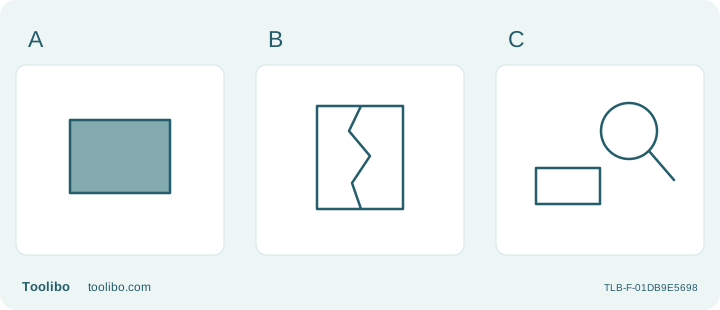
A uniform darker surface can match the manual’s appearance explanation.
B
A crack or deformation is a different observation.
C
Inspect the cold exterior without probing or opening the tool.
Normal FURNO 300 nozzle darkening is an appearance statement; deformation, cracks and abnormal operation require separate assessment.
Start with the documented appearance change
The US FURNO 300 operating instructions distinguish nozzle darkening over time from damage. A darker metal surface alone therefore does not prove that the heat gun has been overheated or needs replacement. Equally, the existence of a normal darkening explanation does not make every mark, deformation or attached residue acceptable. The task is to describe what is actually visible before deciding whether the observation fits that explanation.
Use the FURNO 300 instructions for the actual unit, identified against the US SKU 503059 listing where applicable. Do not borrow a photograph of another FURNO model as a cosmetic standard. Age, prior use and lighting can make photographs particularly poor evidence for a diagnosis based only on color.
Inspect only after complete cooling
Shut down, disconnect and let the nozzle reach room temperature before a close external inspection or storage. The lower operating position on this model is still a heated setting, not a fan-only cooling option. Leaving it running on low to make inspection arrive sooner would defeat the purpose of waiting for a cold tool.
Place the disconnected tool where the nozzle is visible without looking into an operating outlet or handling hot metal. Good lighting helps distinguish a surface color change from a bent edge, an attached deposit or a crack. Keep the inspection external. Do not insert a probe into the nozzle, remove the housing or attempt to inspect the heater through disassembly.
Describe shape, attachment and residue separately
Ask separate questions about the visible condition. Has the metal merely changed color? Is the outlet edge visibly distorted? Is something stuck to the outside? Is a fitted approved accessory damaged or no longer secure? These are different observations and should not be compressed into the vague phrase “the nozzle looks burned.” A photograph of the cold exterior can help describe them to support.
Do not polish the metal aggressively just to restore its original appearance. Cosmetic restoration is not a functional test and may obscure the condition you need to report. Follow only the applicable manufacturer’s external cleaning instructions. If attached material cannot be safely removed within those instructions, obtain service advice rather than heating it off or scraping inside the outlet.
Use operating history as context, not a verdict
Record whether the darker appearance developed gradually or followed an incident such as a drop or contact with an unsuitable surface. Gradual darkening without another concern may fit the manual’s explanation, but an incident introduces questions about damage that color alone cannot answer. A nozzle can also have damage that is not obvious from a front-facing photograph.
Avoid switching on merely to prove that a discolored nozzle still gets hot. Producing heat does not rule out damage, an insecure accessory or a compromised cord. If there is a separate reason to doubt the tool’s condition, keep it out of service until that concern is resolved. A successful material result is not a safety inspection.
Decide what can continue and what must pause
When the only observation is the normal appearance change described in the manual, there is no basis in that observation alone for declaring a fault. Continue to apply the ordinary pre-use inspection and material-compatibility requirements. The manufacturer statement concerns appearance; it does not remove the need to check the complete tool and approved attachment before another session.
Visible deformation, cracks, looseness, damaged insulation or unexplained abnormal operation belong in a different decision branch. Stop use and contact the manufacturer or appropriate service provider with the model and observations. Do not straighten the nozzle, modify a loose accessory or attempt an internal repair. An uncertain distinction is a reason to ask, not to run a hotter trial.
Preserve a useful condition record
If you document the nozzle, take a clear cold external photograph with enough context to identify the affected area. Record the date, tool model and any incident or new symptom. Compare later photographs under similar lighting before concluding that a color difference represents a new event. Keep the record concise and factual so it remains useful to another operator or service contact.
A handover should say either that only documented cosmetic darkening was observed, or that a specific unresolved condition keeps the tool out of use. Avoid calling it “safe because darkening is normal.” The reliable conclusion is narrower: normal darkening is not automatically damage, while shape changes, attached contamination and operating problems require their own assessment. That distinction prevents both unnecessary cosmetic work and misplaced confidence.
Models referenced