
A control sample, setup record and two-face inspection
A control sample, setup record and two-face inspection.
A
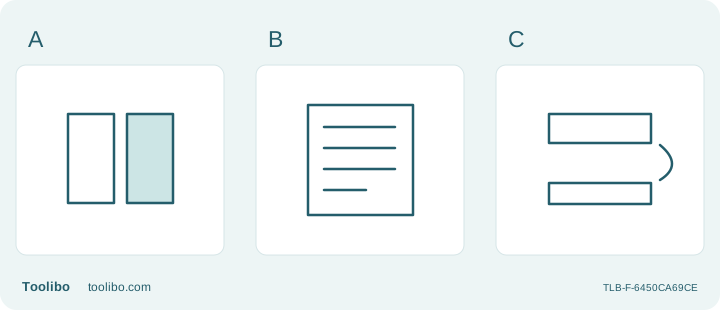
Keep an unheated comparison beside the representative sample.
B
Record material, tool, airflow, temperature and accessory together.
C
Inspect both faces after cooling before accepting the result.
Keep the unheated comparison, the complete setup and the cooled result together; a changed material or air path invalidates easy repetition.
Decide what the sample must represent
A successful scrap is useful only when it represents the planned work. For a manufacturer-permitted material process on a detached, non-electrical and nonstructural object, identify the material and every layer affected by heat. Match relevant thickness, shape, finish and bonded components. A bare offcut cannot establish suitability for a finished object with a coating. A flat strip does not reproduce a tight curve or a recess that changes access to the hot air.
Write the intended result before the trial. A specific requirement such as the sleeve supplier’s permitted finished fit is more useful than “looks good.” Include unacceptable changes so that the trial has a clear rejection decision as well as an acceptance decision.
Record identity before choosing controls
Start the record with the actual tool model and regional manual, not simply its brand. An EasyHeat 500 switch position means something different from a UniversalHeat 600 position. The US Makita HG6031VK package is linked to HG6031V instructions; record both package and body identification when relevant. For the Canadian DeWalt models, keep the applicable manual identifier with the note so a later borrower does not substitute a different regional document.
Add the material supplier’s designation and batch information when available. Retain packaging separately from the hot work area. If a later packet only matches the color, that is insufficient reason to reuse the previous process. Unknown identity is a reason to reassess, not a blank field to overlook.
Describe the complete control state
Record the airflow choice, temperature control position and fitted manufacturer-approved nozzle together. With HG6031V, changing airflow can change the temperature range associated with the dial. With a linked-stage Bosch tool, one switch movement changes the operating condition as a whole. D26960 may recall an earlier temperature setting, so “switched on normally” is not a meaningful description of the starting state.
For HG6530V, distinguish the selected target from the later airflow indication. Neither is the temperature throughout the workpiece. A note that mixes those values can make an ordinary transition appear to be inconsistent performance. Record what was selected and what was observed as different fields, without presenting the display as a measurement of the material.
Capture geometry without inventing a recipe
Describe how the sample was supported, which face was exposed, what could block the inlet or outlet and how the operator maintained access. A simple sketch or cold photograph can preserve details that prose misses. Keep photographs clear of personal information and avoid interrupting powered work to capture an image. Recording an arrangement is not permission to adopt an unverified distance or duration.
Any process values must come from the applicable material instructions and tool limits. Do not turn a single improvised trial into a universal numerical recipe. If a supplier does not provide enough information to establish compatibility, record that gap and pause. More precise-looking notes do not compensate for missing material approval.
Compare only a cooled result
Allow the sample to cool in its safe location before checking fit, alignment and surface condition. Record the result using the same criteria established beforehand. A sleeve that appears tight while warm may not meet the intended requirement later. A changed finish or distorted support surface remains a failed result even if the main visual objective was achieved.
Keep rejected observations too. “Loose after cooling with no visible surface change” is more informative than “needs more heat.” The first describes evidence; the second assumes a remedy. If another trial is justified, identify the single planned change and why it addresses the evidence. Use a fresh representative sample rather than repeatedly heating an already altered one.
Know when the old record expires
Reassess the record when material identity, thickness, finish, object geometry, nozzle, airflow or tool model changes. A changed support can also matter if it blocks the air path or changes which surfaces receive heat. Preserve the earlier record as history, but do not quietly overwrite it and imply that one process covered every arrangement.
For a handover, give the next operator the actual accepted sample, material information and complete setup note. They must still inspect the tool and confirm current controls before starting. This record is a practical way to avoid accidental changes, not a tested production specification or a substitute for manufacturer instructions. If repeat trials disagree despite an apparently unchanged arrangement, stop and investigate the documented variables rather than making increasingly aggressive adjustments.
Models referenced