
A document, layered object and rejected branch
A document, layered object and rejected branch.
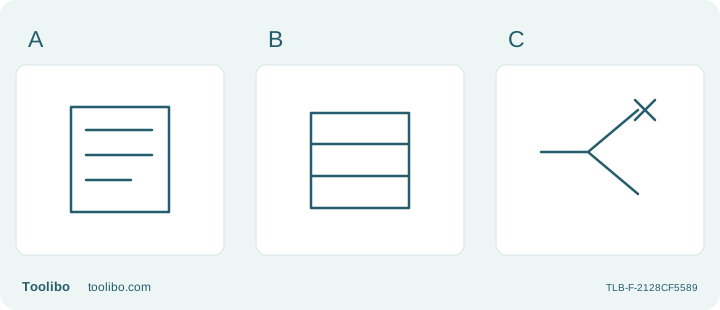
A
The document must permit the exact heating process.
B
Check each layer, not only the outer surface.
C
An unresolved layer sends the decision to the stop branch.
Approval must cover the intended process and every affected layer; an unknown backing keeps the job unresolved.
Name the process before selecting the tool
A material approval checklist starts with the intended change, not the heat gun’s maximum temperature. Write down whether you want an approved adhesive bond to release or a specified sleeve to shrink. These are different processes with different acceptance criteria. The Bosch EasyHeat 500 and UniversalHeat 600 documentation includes adhesive softening and shrink tubing among intended uses, but those categories do not approve every glue, plastic or object that resembles an example. This guide concerns known, detached, non-electrical and nonstructural objects only.
Describe what must remain unchanged as well as what should change. A label may need to lift while the base keeps its shape. A sleeve may need to contract while the underlying object remains dimensionally stable. If success cannot be described without deliberately damaging an unidentified layer, the proposed process is not ready for a heat trial.
Account for every layer in the object
Make a simple layer inventory: outer material, adhesive or sleeve, base material and any attached components. A familiar outer appearance is not enough. An apparently plain object may have a clear finish, a bonded backing or an insert that responds differently to heat. Check the supplier’s description rather than inferring composition from color, weight or how the object sounds when tapped.
Mark unknown layers as unresolved instead of assigning them the properties of the strongest visible material. A metal base does not establish the tolerance of a plastic foot bonded underneath. If the complete construction cannot be established, choose an approved non-heating method. Do not use a concealed corner as an experiment to discover whether an unknown coating emits fumes. A test is for checking an already permitted process, not identifying an unknown substance through heating.
Look for permission that matches the actual operation
Keep the material maker’s handling instructions with the object. Check whether they permit hot-air treatment for this particular purpose and whether they describe limitations that your setup can meet. General service-temperature information is not automatically a processing instruction: an object tolerated in a warm environment has not necessarily been approved for concentrated hot air.
Approval must cover both the material being changed and the material beneath it. If a sleeve is approved for hot-air shrinking but the base supplier gives no compatible heating instruction, there is still a missing decision. Ask the relevant supplier a specific question identifying the material and intended operation. Until that answer is available, mark the task as pending rather than replacing the missing information with an internet temperature chart.
Compare the permitted process with the available controls
The German EasyHeat 500 uses two linked heat and airflow settings. The German UniversalHeat 600 adds another stage, but it is not an independently adjustable temperature-and-airflow instrument. Compare the process requirements with the exact model, regional nameplate and manual. A control that cannot produce a required condition is a reason to choose another method or tool, not to compensate with an invented distance or exposure time.
Also distinguish an outlet-air specification from the temperature of the object. The material experiences the combined effects of airflow, accessory shape, movement and its own construction. Copying a setting from a different heat gun does not reproduce that exposure. Record which controls you can actually select, and leave unsupported numerical guesses out of the checklist.
Define a representative trial and a clear rejection
Only after the permission questions are answered should you select a sacrificial sample. It should match the actual material, thickness, layers and attachment method. An offcut of bare base material is insufficient when the real item includes an adhesive. Keep an unheated comparison sample where practical, and decide what you will inspect after the trial has cooled.
Useful acceptance checks concern the actual job: the adhesive releases without changing the base, or the sleeve achieves the specified fit without distortion. Whitening, blistering, unexpected odor, smoke or loss of shape are reasons to stop. They are not milestones on the way to a more powerful setting. A failed sample should prompt a review of the material identification and permitted process before any further trial.
Keep the decision useful for the next session
The final checklist should say approved, unresolved or unsuitable, with a short reason for each layer and process requirement. Include the material identification, tool model, accessory identity and the conditions actually used in the accepted sample. This is a local working record, not a claim that the manufacturer certified your particular object.
Reopen the decision when anything important changes. A replacement label with a different adhesive, a sleeve from a new supplier or a visually identical base from another batch may require another material check. The value of the checklist is that it makes these changes visible. It should prevent an earlier successful result from becoming blanket permission to heat unfamiliar objects.
Models referenced