
A prior-setting record, returned control and a new sample decision
A prior-setting record, returned control and a new sample decision.
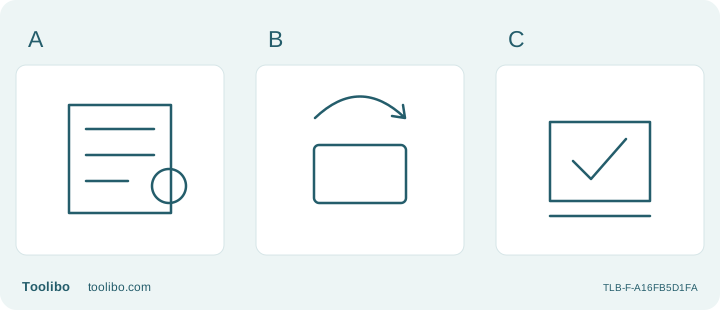
A
Pass the previous setup and recent operating history to the next user.
B
Recheck the actual recalled controls rather than trusting a note.
C
Accept the next material only against its own permitted sample process.
Transfer the material record, airflow and recalled temperature together, including recent on-time; changing operators does not reset the duty limit.
Treat memory as a retained choice
The Canadian DeWalt D26960 has an LCD temperature control and remembers a temperature setting. That can reduce repeated adjustment for the same established process, but it does not know whether the next user has changed material or purpose. A recalled value is evidence of an earlier choice, not a recommendation for the object now on the bench.
This guide focuses on the change between operators or tasks, rather than the complete owner routine. Use the actual model and applicable N888399 instructions. A D26950 knob position and a D26960 remembered setting are different control systems, even though both models appear in the same document. Begin the handover by confirming which tool is being passed on.
Close the previous task before transferring responsibility
The first operator should end the material process and follow the required shutdown, disconnection and cooling procedure. N888399 requires at least thirty minutes of cooling before moving or storage; actual hot parts must also be cool enough for handling. Passing a still-hot tool directly into another person’s hands is not a useful shortcut between jobs.
Tell the next person whether the tool is cooling, ready for a cold inspection or awaiting service. Those states matter more than the phrase “I am finished.” A hot accessory, a partially processed sample and a recalled temperature are separate handover facts. Do not imply that completion of one of them settles all the others.
Pass the whole setup rather than one number
A useful record includes the selected temperature, airflow switch position, approved accessory, material identity and intended result. Add whether the last sample was accepted after cooling. The LCD number alone omits the air path and the object’s response, so it cannot describe a repeatable process. If the earlier trial failed, label it failed rather than allowing the remembered setting to inherit an accidental approval.
Distinguish observations from instructions. “This was the previous selection” describes history; “use this setting” authorizes a new material decision that requires evidence. When the next task uses a different sleeve, finish, thickness or object geometry, preserve the old note as context but assess the new combination independently.
Have the new operator check the recalled condition
Before exposing a workpiece, the new user should read the actual current controls and establish a suitable starting condition from the relevant tool and material instructions. Do not trust the written note as proof that nobody touched the buttons afterward. Check with the outlet safely directed into a clear area, not at the sample while deciding what the displayed value means.
If the chosen material process cannot be controlled within this tool’s documented capabilities, stop rather than compensating with an invented distance or rapid hand movement. The presence of digital adjustment does not approve every material. Restrict trials to known detached, non-electrical and nonstructural objects whose materials permit the intended hot-air process.
Include accumulated use in the handover
The checked N888399 manual limits operation to sixty minutes on within a two-hour period. Two operators sharing a tool do not each receive a fresh independent allowance merely because responsibility changed. Pass on the recent operating history so the next person can respect the same tool’s limit. If that history is unknown, do not assume the device has been resting.
Also mention any unexpected heating interruption. The documented overload behavior can leave the fan running while heat stops and later returns automatically. Such an event is not a convenient cooling mode or proof of shutdown. An unresolved symptom should keep the tool out of normal use until the applicable external checks or service advice have addressed it.
Finish with an explicit acceptance decision
Ask the receiving operator to identify the current setting, airflow choice and attachment, then state whether the planned material matches the accepted sample record. If it does not, the next action is reassessment and a suitable representative trial, not continuation under the previous user’s confidence. This brief check prevents a remembered temperature from becoming an unexamined default.
Keep the handover record proportional to the work. A small note with model, controls, material, last result, recent use and current cooling or service status is enough to expose the important uncertainties. Do not convert the note into a universal process specification. It records one tool and one arrangement, and remains valid only while those conditions and the manufacturer’s requirements still match.
Models referenced