
A nameplate, package and open manual as separate checks
A nameplate, package and open manual as separate checks.
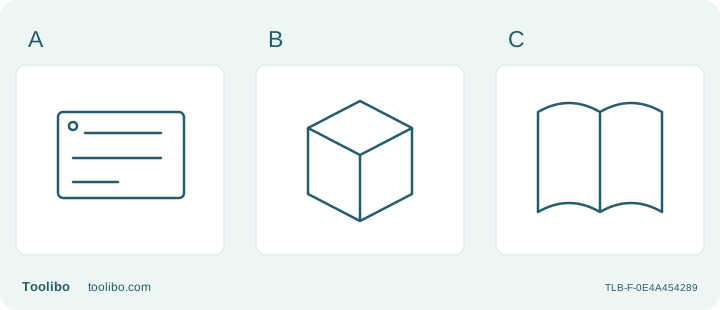
A
The body nameplate establishes the tool’s identity and supply requirements.
B
A box and accessory bundle are a separate inventory.
C
Match the actual controls to the correct regional manual.
Match the body nameplate, regional supply, package inventory and manual; a familiar case or successful heating demonstration cannot certify a used tool.
Ask for the body identity before the sales story
A secondhand listing often leads with a box, a familiar brand or a photograph of accessories. Begin instead with a clear image of the tool’s own model and supply nameplate. The box may have been reused, and a seller’s short title may omit the regional or package distinction needed to choose instructions. A legible body identity is the foundation for every later check.
Ask for photographs of the controls and the complete cold exterior, including the lead, plug, nozzle and inlet. These photographs cannot certify safety, but they can reveal a mismatch or missing information before a viewing. If the seller cannot show the identification, do not replace that gap with a guess based on housing color.
Keep regional documents attached to their listings
The Bosch examples here are the German EasyHeat 500 06032A6000 and UniversalHeat 600 06032A6100. The DeWalt D26950 and D26960 evidence concerns Canadian listings and N888399. Makita and Wagner examples concern the United States. Those boundaries matter because a model family name alone does not establish the supply requirements or the exact instructions supplied with another regional unit.
Compare the physical nameplate with the supply available where the tool will be used. Do not treat a plug adapter as proof of electrical suitability, and do not modify a plug or cable to make a purchase usable. If the nameplate and local supply are incompatible or unclear, resolve that before purchase rather than planning an improvised conversion afterward.
Separate a kit designation from the tool inside
Makita’s US HG6031VK and HG6530VK package listings link to HG6031V and HG6530V operating instructions respectively. Record both names when checking a used kit. The suffix does not justify importing controls from another model in a shared manual. HG6031V should not acquire HG6030 switch positions, and HG6530V should not acquire HG6531C presets through a seller’s description.
For Wagner, distinguish FURNO 300 from FURNO 500 by actual identification and controls rather than the broad FURNO family label. The checked US listing identifiers are 503059 and 503063 respectively. A case or accessory bundle does not turn the simpler model into the model with a different control and cooling system.
Inventory accessories without assuming compatibility
Ask the seller to separate included attachments and show any identifying marks. Compare them with the manufacturer’s applicable accessory information and the actual package listing. An accessory illustrated in a manual may be optional; an accessory included in a seller’s bundle may belong to another tool. Neither the photograph nor a claimed physical fit establishes compatibility.
Look for visible deformation, cracks, attached contamination or damage while everything is cold and disconnected. Do not ask for a demonstration that removes a hot nozzle or heats an unknown object. A seller showing that an attachment fits tightly has not established that its air path is appropriate. An unidentified part should remain an unresolved item, not a bonus that increases confidence in the purchase.
Make a cold condition check a purchase gate
At a viewing, compare the actual body with the photographs and inspect the visible condition without opening the casing. Missing or unreadable markings, damaged insulation, a cracked housing or an unreliable-looking control require resolution. Do not accept “it still heats” as an answer to those concerns. Producing hot air is not an electrical safety assessment or evidence of correct protection behavior.
Keep cosmetic observations distinct from damage. FURNO 300 documentation recognizes nozzle darkening over time, so color alone is not a fault diagnosis. That statement does not excuse a distorted outlet or damaged cable. If you cannot distinguish the condition confidently, seek an appropriate inspection or decline the unit rather than improvising a bench test.
Decide on evidence, not an attractive bundle
Before committing, confirm that the body identity, regional supply, applicable manual, visible controls and intended approved accessories all agree. Establish what is actually included and what remains uncertain. If a needed manufacturer document cannot be matched, the sensible result may be postponing the purchase. Buying first does not make later identification easier.
Even a well-documented used tool still needs the normal pre-use checks and material-compatibility assessment. Previous ownership, an apparently clean case or a seller’s successful demonstration does not approve a new household application. Restrict any later work to known detached non-electrical, nonstructural materials with a manufacturer-permitted process. The purchase check is an identity and condition screen, not a tested performance rating, safety certification or promise of remaining service life.
Models referenced